



Interact
Think about the spoken and unspoken expectations people follow when they gather for different events. Match each event with the numbered description below and comment how people obey or break the expectations.
Events (Hide the Key)
___ Wedding 3
___ Orchestra 8
___ National Anthem 1
___ Courtroom 4
___ Funeral 9
___ Dinner Gathering 7
___ Athletic Injury Moment 6
___ Road Emergency 10
___ Hospitality Setting 11
___ Graduation 5
___ Communion 2
Spoken or Unspoken Rules for Events
- Stand, remove hats, face forward, repeat or sing.
- Quiet reflection, symbolic elements, gratitude.
- Formal promises spoken publicly.
- Decorum, authority, permission to speak.
- Caps, gowns, names announced.
- Pause activity, concern for someone hurt.
- Utensils, turn-taking, conversation courtesy.
- Silence between movements, applause only at proper times.
- Comfort the grieving, gentle tone.
- Slow down, signals, alert attention.
- Welcome, gratitude, kindness to guest or host.
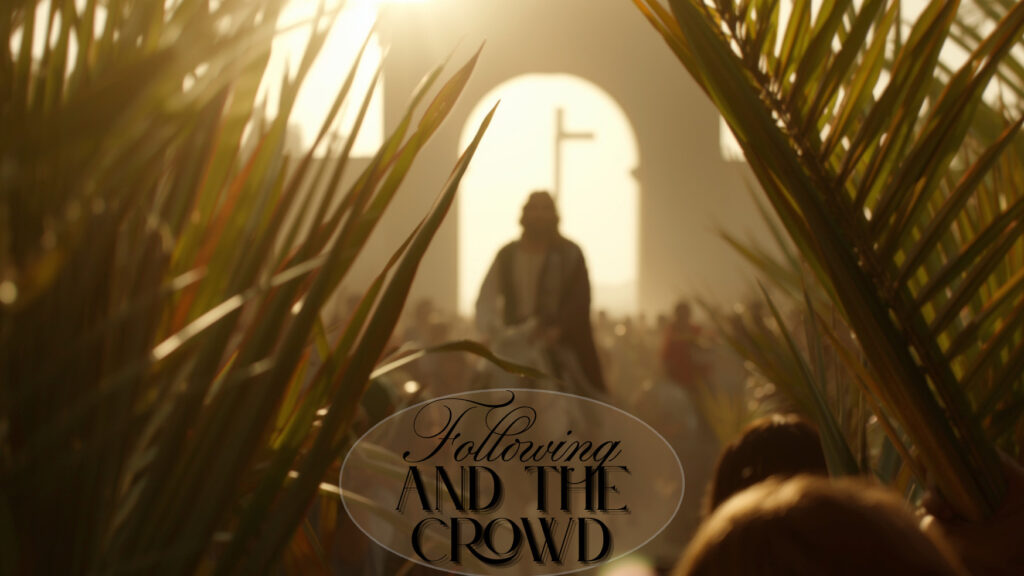
When Jesus entered Jerusalem, were the people breaking the rules or fulfilling ancient expectations as they shouted and praised God?

Insight
The Bible discussion begins with a careful reading of the whole passage, either from your own Bibles, or from the provided images below.
Then participants are to ask:
- What is going on in this passage of Scripture?
- What are the key words and phrases? Highlight them.
- Why do you think this passage is included in the Bible?
- What does it contribute to our “knowing Christ” and “living in Christ”?
Jesus entered Jerusalem and the crowd welcomed Him with excitement. They waved palm branches, which is a symbol of joy and victory (Leviticus 23:40; Revelation 7:9). The crowd shouted, “Hosanna!” meaning “Save now!” which comes from the Passover Psalms (Psalm 118:25-26). When they cried, “Blessed is the king of Israel,” they recognized something royal in Jesus, though many likely expected a political deliverer rather than the suffering Messiah of Isaiah 53.
John notes that Jesus deliberately rode a young donkey to fulfill Scripture: “See, your king is coming, seated on a donkey’s colt” (Zechariah 9:9). In Scripture a king on a donkey symbolized peace, not war (1 Kings 1:33). Jesus was showing that His kingdom comes through humility, not force.
At first the disciples did not understand these events. Only later, after His death and resurrection, did they see that what looked like defeat was actually His glory. Like them, we often grasp God’s work more clearly in hindsight, when past moments begin to reveal their deeper meaning.

Insight Out
A parting video clip with a personal invitation to apply the message to “knowing Christ” and “living in Christ” in the coming week.